Matthew Perry’s life was a complex, deeply human story of success, struggle, and relentless honesty. While the world knew him best as Chandler Bing from Friends, his true legacy extends far beyond sitcom stardom.

Perry openly shared his decades-long battle with addiction, turning his painful experiences into a beacon of hope for others facing similar struggles. His willingness to talk about his relapses, failures, and triumphs is inspiring. It should serve as a model for how we approach addiction, recovery, and the stigma that surrounds them.
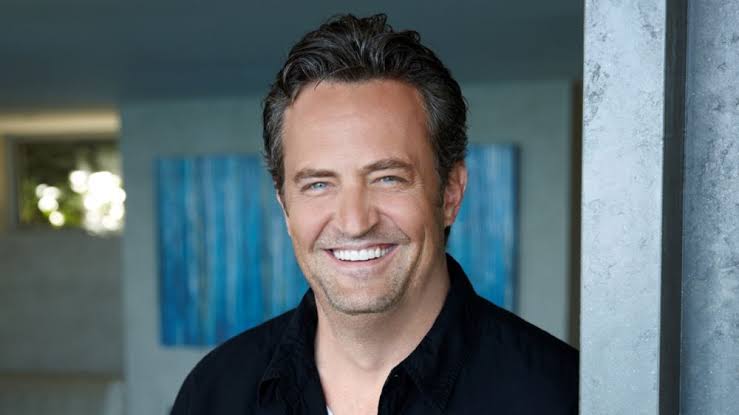
A Journey Shaped by Early Experiences
Perry’s addiction story did not begin in adulthood. Deep-seated emotional struggles marked his childhood. His parents’ divorce left him navigating two worlds: his father’s life in Hollywood and his mother’s demanding career in Canada.
He often traveled as an “unaccompanied minor,” a phrase he repeated in his memoir as a reflection of his loneliness. As an infant, he was prescribed phenobarbital, a potent and addictive barbiturate. Some speculate that this could have had long-term effects on his relationship with substances.
Later, as he sought fame and validation in Hollywood, his addictive tendencies took root, eventually consuming much of his life.
The Struggle with Opioids and Relapse
Perry’s struggle with opioids began after he was prescribed Vicodin following a jet-skiing accident. What started as pain relief quickly spiraled into dependence. According to NBC News, at one point, he was consuming 55 pills a day. This habit led to multiple stints in rehab, severe health consequences, and a sense of helplessness despite his desire to recover.
His story mirrors a larger crisis in the United States. The opioid epidemic has devastated communities, with prescription painkillers often serving as a gateway to addiction. Many, like Perry, start opioids through legitimate prescriptions but struggle to stop even after the pain fades.
Northeastern Global News reports that nearly one in four Americans knows someone battling opioid addiction. Despite growing awareness, the crisis continues to claim lives at an alarming rate. And even for those who want to break free, the road to recovery is anything but straightforward.
The struggle to quit brings painful withdrawal symptoms, which often lead to medications designed to help. However, these treatments come with challenges of their own.
Take Suboxone, for example. While it helps ease withdrawal and reduce cravings, it has been linked to severe dental damage, TruLaw reports. Tooth decay is one of the most serious concerns.
The FDA has identified 305 cases of dental injuries linked to Suboxone use. This has led to legal action against the manufacturer through the Suboxone lawsuit.
This is yet another example of how addiction doesn’t just create dependence. It sets off a chain of unintended consequences, often leading to unexpected struggles.
The Reality of Addiction: A Lifelong Battle
Perry’s journey showed that addiction is often a lifelong struggle, filled with setbacks and victories.
Over three decades, he pursued sobriety through at least 15 rehab programs, investing millions in treatment. According to Fast Company, his efforts to get sober cost him $9 million. He also fought through relapses that would have crushed many others. The actor openly questioned his own inability to stay sober, acknowledging the pain and frustration of wanting to quit but feeling unable to.
Despite these struggles, he never gave up. When he found stability, he used his experiences to help others. He advocated for treatment-based alternatives to incarceration for drug offenders and even opened a sober living facility.
His story reminds us that relapse is not failure; it’s part of the process.
Why Honesty Matters in the Battle Against Addiction
Perry’s story is significant not just because he struggled, but because he shared his struggle. He didn’t sugarcoat the pain, the relapses, or the shame that often accompany addiction. He turned his experiences into advocacy, pushing for better treatment options and encouraging those battling addiction to seek help without fear of stigma.
By openly discussing his failures and victories, he showed that recovery isn’t a linear process. It’s messy, filled with setbacks, and often frustratingly slow. But his persistence proved that healing is possible, even for those who have relapsed multiple times.
FAQs
What is Vicodin, and why is it addictive?
Vicodin is a prescription painkiller that combines hydrocodone (an opioid) and acetaminophen (Tylenol) to relieve moderate to severe pain. It is highly addictive because hydrocodone activates opioid receptors in the brain, creating feelings of euphoria and relaxation. Over time, the brain craves these effects, leading to dependency and addiction.
How did addiction affect his time on Friends?
Perry has said that, despite playing the witty and charismatic Chandler Bing, he was often in a haze due to painkillers and alcohol. He has mentioned in interviews that there are seasons of Friends he doesn’t even remember filming due to his addiction. His weight also fluctuated significantly throughout the series, reflecting the toll addiction took on his body.
How did Perry’s addiction affect his health?
His addiction took a severe toll on his body. He suffered from pancreatitis in his 30s due to excessive drinking. Additionally, in 2018, his colon burst due to prolonged opioid use, leaving him in a coma for two weeks. In 2022, his heart stopped for five minutes, and doctors had to break eight ribs while reviving him.
A Lasting Legacy: More Than Just Chandler Bing
Perry often said that while Friends might be his most famous work, he wanted to be remembered for something greater. His true passion was helping others overcome addiction. He lobbied for drug courts, advocated for rehabilitation over incarceration, and personally supported those fighting their own battles with substance abuse.
His story is a testament to the importance of perseverance and honesty in recovery. If there’s one lesson to take from Perry’s life, it’s the power of radical honesty about addiction. Acknowledging it both personally and societally is the first step toward real change.
For those struggling with addiction today, his message remains: keep fighting, seek support, and never let shame stand in the way of recovery. Because, as Perry proved time and time again, change is always possible.
 Indie Mac User